IV Hydration TherapyIV Vitamin TherapyNutrient InfusionsPhysician-Led WellnessIV Vitamin CGlutathione InfusionEnergy and RecoveryWellness OptimizationMedical Weight Loss SupportHormone OptimizationIV Drip TherapyHealthy Solutions Clinic
IV Hydration Therapy Benefits for Optimal Health
IV Hydration Therapy for Optimal Health — Physician-Led Nutrient Infusions to Support Wellness
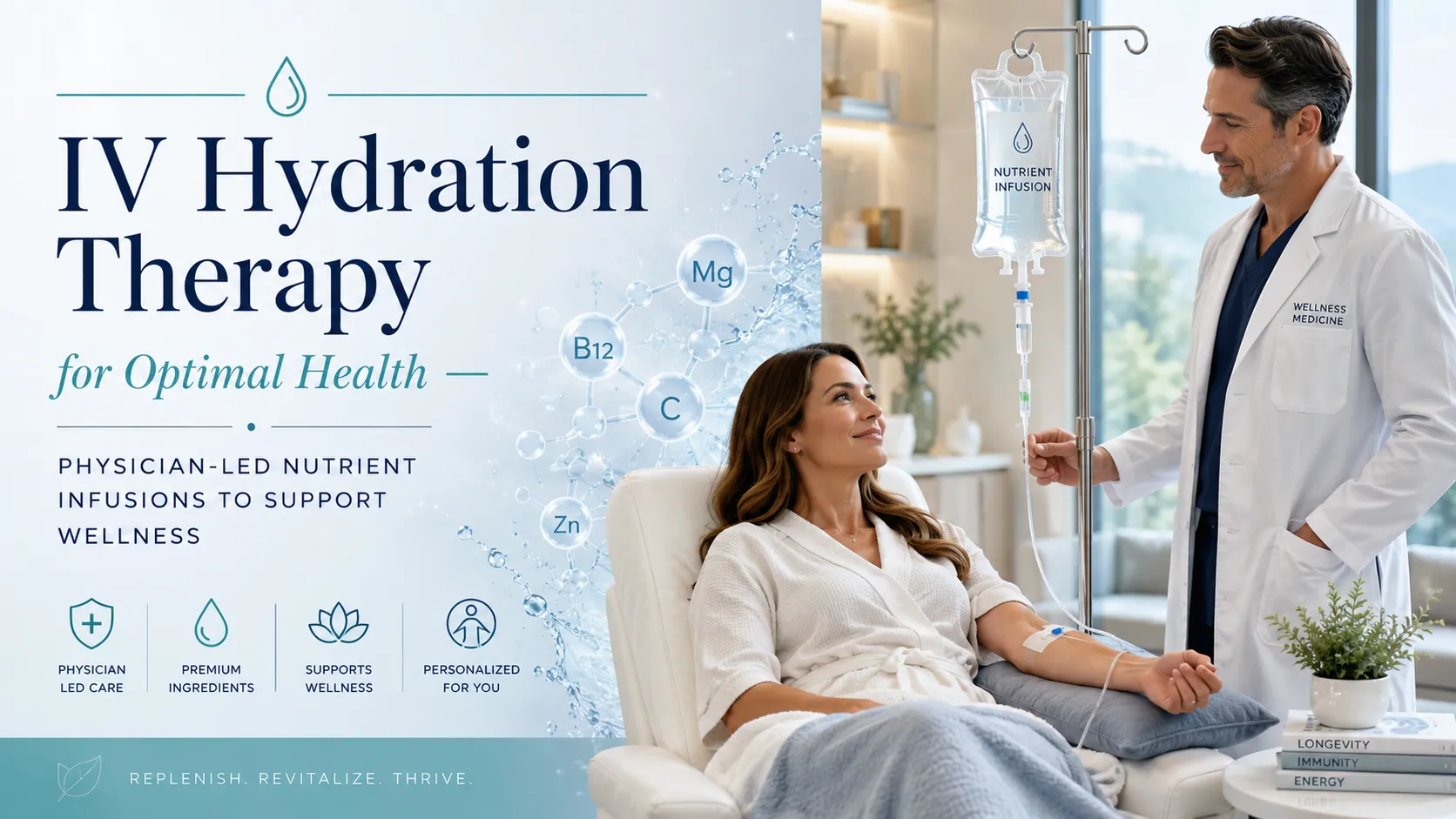
By Daniel Wiltz, M.D., Healthy Solutions Clinic
IV hydration therapy is an increasingly used, physician-directed treatment that delivers vitamins, minerals, and fluids directly into the bloodstream for fast, reliable absorption. Because nutrients bypass the digestive tract, IV infusions can restore deficits and provide measurable benefits—often faster than oral supplements. In this article we outline the clinical advantages of IV hydration, including energy restoration, support for detoxification, and contributions to long-term wellness. We also explain how IV therapy complements medical weight-loss and hormone-optimization plans to create an integrated approach to health.
What Is IV Hydration Therapy and How Does It Support Wellness?
IV hydration therapy is a medical procedure in which fluids and targeted nutrients are administered intravenously to achieve rapid delivery into the circulation. By avoiding the gastrointestinal tract, IV administration can produce higher, more predictable blood levels of vitamins and minerals than many oral preparations. At medical practices like ours, IV treatments are formulated and delivered at therapeutic concentrations to meet each patient’s clinical needs.
That direct delivery matters clinically: research shows meaningful differences in the absorption and effectiveness of some nutrients when given IV versus taken orally.
IV vs. Oral Vitamin C: Absorption & Efficacy
Clinical work has demonstrated that plasma vitamin C levels differ markedly depending on how it’s given. While a few controlled studies reported limited benefit from large once-daily oral doses in specific terminal cancer cohorts, other trials suggest intravenous ascorbate can reach biologically active concentrations against certain tumors.
Pharmacokinetics of Vitamin C: Insights into the Oral and Intravenous Administration of Ascorbate — J. Duconge, 2008
Definition and Medical-Grade Treatment Overview
Medical-grade IV hydration refers to professionally supervised infusions prepared with pharmaceutical‑grade fluids and nutrients and tailored to an individual’s clinical profile. Unlike unregulated or non-medical offerings, physician-led IV therapy includes appropriate screening, dosing, and monitoring to maximize benefit and reduce risk, ensuring a safe, evidence-informed treatment experience.
Key Nutrients and Vitamin Infusion Components
Typical IV hydration blends include several core components chosen to support hydration, metabolism, and recovery:
Vitamins: B-complex and vitamin C are commonly used to support cellular energy production and immune resilience.
Minerals: Electrolytes such as magnesium and potassium help restore fluid balance and support muscle and nerve function.
Antioxidants: Agents like glutathione are included for cellular protection and detoxification support.
These ingredients are combined to work synergistically, helping the body replete nutrients and perform at its best.
Among these components, glutathione is frequently highlighted for its antioxidant and detoxifying actions.
Glutathione: Antioxidant & Detoxifying Properties
Glutathione is a primary intracellular antioxidant that contributes to cellular protection and detoxification processes. Its role in maintaining redox balance and aiding removal of reactive species underpins its use in clinical infusion protocols.
Glutathione: Synthesis, Mechanism of Action, Antioxidant and Detoxifying Role — 2023
How Does IV Hydration Therapy Enhance Energy, Detoxification, and Longevity?

IV hydration can quickly correct nutrient shortfalls, support cellular metabolism, and supply antioxidants that aid detox pathways—factors that together may improve energy, recovery, and general wellbeing.
Mechanisms of Nutrient Replenishment and Detox Support
By delivering therapeutic concentrations of fluids and micronutrients directly into the bloodstream, IV therapy increases the immediate availability of those elements to tissues. This rapid replenishment can be particularly useful for people with absorption limitations, acute depletion, or increased metabolic demand. When infusions include antioxidants and cofactors, they also help enzymatic detoxification and reduce oxidative stress.
Clinical Benefits for Energy Restoration and Wellness Optimization
Clinical reports and patient outcomes frequently cite faster recovery from dehydration and improved energy, mental clarity, and exercise recovery after IV treatment. Regular, appropriately indicated IV therapy—when integrated into a comprehensive health plan—can support physical performance, reduce downtime after exertion, and contribute positively to overall health metrics.
What Are the Synergistic Benefits of IV Therapy with Medical Weight Loss and Hormone Optimization?
When IV hydration is combined with structured medical weight-loss programs and hormone-optimization protocols, it can help address multiple physiological needs at once—supporting metabolism, preserving energy, and supplying nutrients required for effective metabolic and endocrine function.
IV Therapy’s Role in Supporting Medical Weight Loss Programs
In medically supervised weight-loss plans, IV infusions can replenish vitamins and electrolytes that may be inadequate on a calorie-restricted diet. By maintaining energy and metabolic support, IV therapy can make adherence to a nutrition and exercise plan more sustainable and comfortable for patients.
Integration with Hormone and Peptide Therapies for Enhanced Results
Hormone and peptide therapies can improve metabolic rate, mood, and recovery; IV hydration ensures the body has the micronutrient foundation to respond optimally to those interventions. Together, these therapies can produce more consistent, measurable improvements in strength, energy, and metabolic health.
Is IV Hydration Therapy Safe? What Does Physician Oversight Ensure?
Safety is central to any medical infusion. Physician oversight provides individualized assessment, appropriate dosing, and monitoring during and after the infusion—measures that reduce risk and improve outcomes.
Safety Protocols and Medical Supervision in IV Treatments
Our IV treatments are performed with standard medical protocols: pre-treatment evaluation, sterile technique, appropriate fluid and nutrient selection, and supervision by trained clinical staff. Continuous monitoring during treatment helps detect and address any adverse reactions promptly.
Specific pharmacokinetic studies of IV vitamin C, for example, have helped define safe dosing parameters and clearance characteristics.
Intravenous Vitamin C Pharmacokinetics & Safety
Pharmacokinetic analyses show IV vitamin C follows predictable clearance patterns; in controlled studies, high IV doses were cleared renally within 24 hours and were well tolerated without significant physiologic disruption. These data support an acceptable safety profile when administered appropriately.
Pharmacokinetic Evaluation of Intravenous Vitamin C: A Classic Pharmacokinetic Study — P. Chen et al., 2022
Common Contraindications and Patient Screening
Not every patient is a candidate for every infusion. People with certain cardiac, renal, or metabolic conditions require focused evaluation and sometimes adjusted protocols or alternative approaches. Thorough screening and individualized risk assessment help ensure IV therapy is safe and appropriate for each person.
What Can Patients Expect During an IV Hydration Therapy Session?

Knowing the typical flow of a session helps patients feel prepared and relaxed during treatment.
Typical Session Duration and Treatment Process
Most IV hydration sessions last 30–60 minutes, depending on the formula and infusion rate. Patients are monitored throughout while the clinician adjusts fluids and additives as needed for comfort and safety.
Patient Experiences, Testimonials, and Outcomes
Many patients report noticeable improvements in hydration, energy, and cognitive clarity after treatment. Patient feedback often emphasizes the convenience and speed of symptom relief—especially when IV therapy is part of an overall, physician-directed health plan.
How to Find and Choose the Best IV Drip Therapy Near Me for Wellness?
Choosing the right clinic affects both safety and effectiveness. Look for practices that combine medical oversight with transparent protocols and verifiable patient outcomes.
Criteria for Selecting Physician-Led IV Hydration Clinics
Consider these key factors when evaluating clinics:
Physician Oversight: Confirm that care is directed by licensed physicians who review your medical history and supervise treatments.
Treatment Options: Choose clinics that offer individualized protocols tailored to your health goals and lab findings.
Reputation: Check patient reviews, professional credentials, and outcome information to assess quality of care.
Cost Considerations and Insurance Coverage Options
Prices vary by clinic and by the components of each infusion. Many practices provide package pricing or membership plans to reduce per‑visit cost. Insurance coverage for IV hydration is inconsistent; check with your insurer and the clinic’s billing staff about benefits and potential reimbursement.
Common infusion nutrients and their targeted benefits include the following examples.
Nutrient | Benefit | Impact Level |
|---|---|---|
Vitamin C | Supports immune function and antioxidant protection | High |
Magnesium | Helps restore electrolyte balance and supports muscle and nerve health | Moderate |
Glutathione | Assists cellular detoxification and protects against oxidative stress | High |
This table summarizes how select nutrients contribute to the therapeutic goals of IV hydration and why a tailored nutrient profile matters for optimal results.